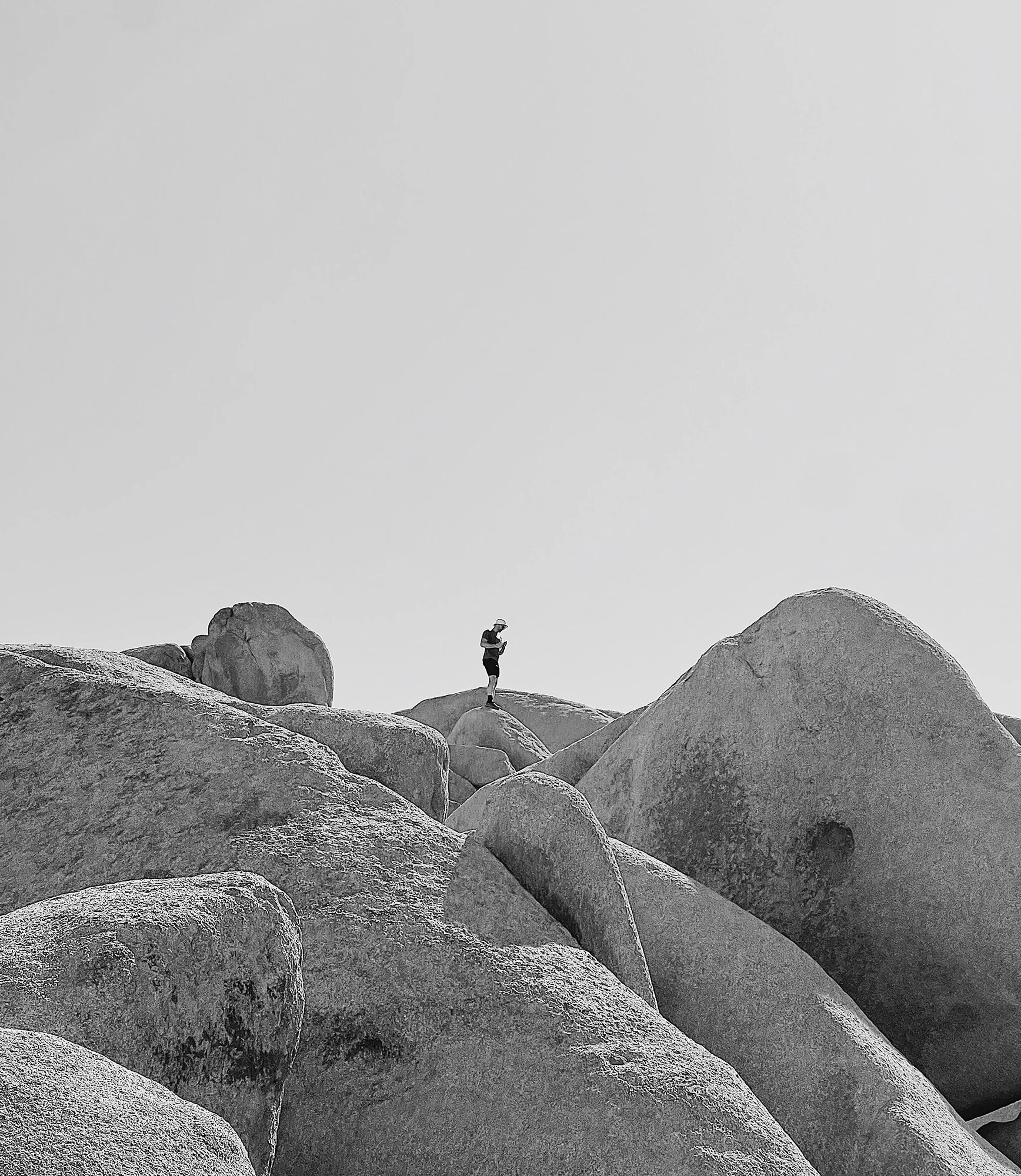
Nature, architecture, culture.
Inspiration from Joshua Tree
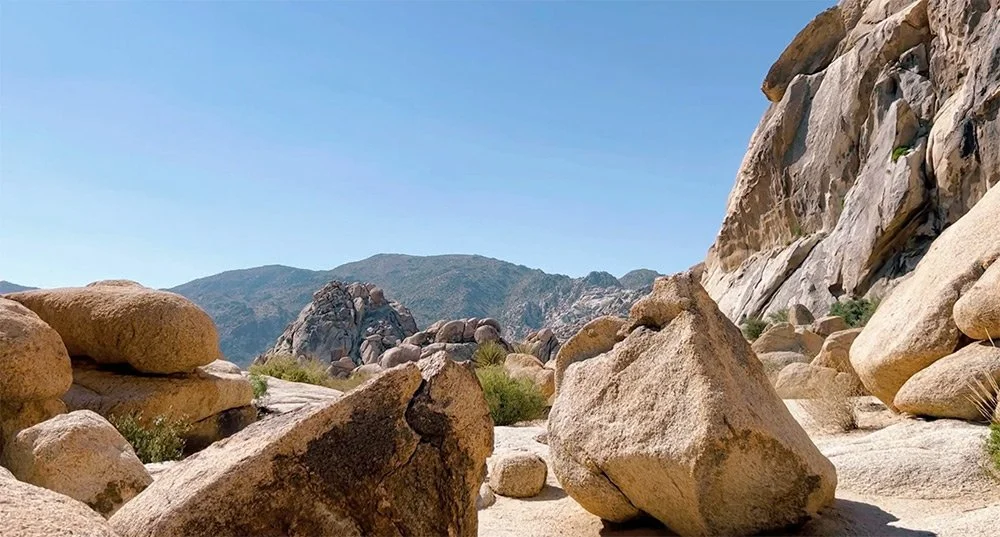
Local insight. Thoughtfully curated.
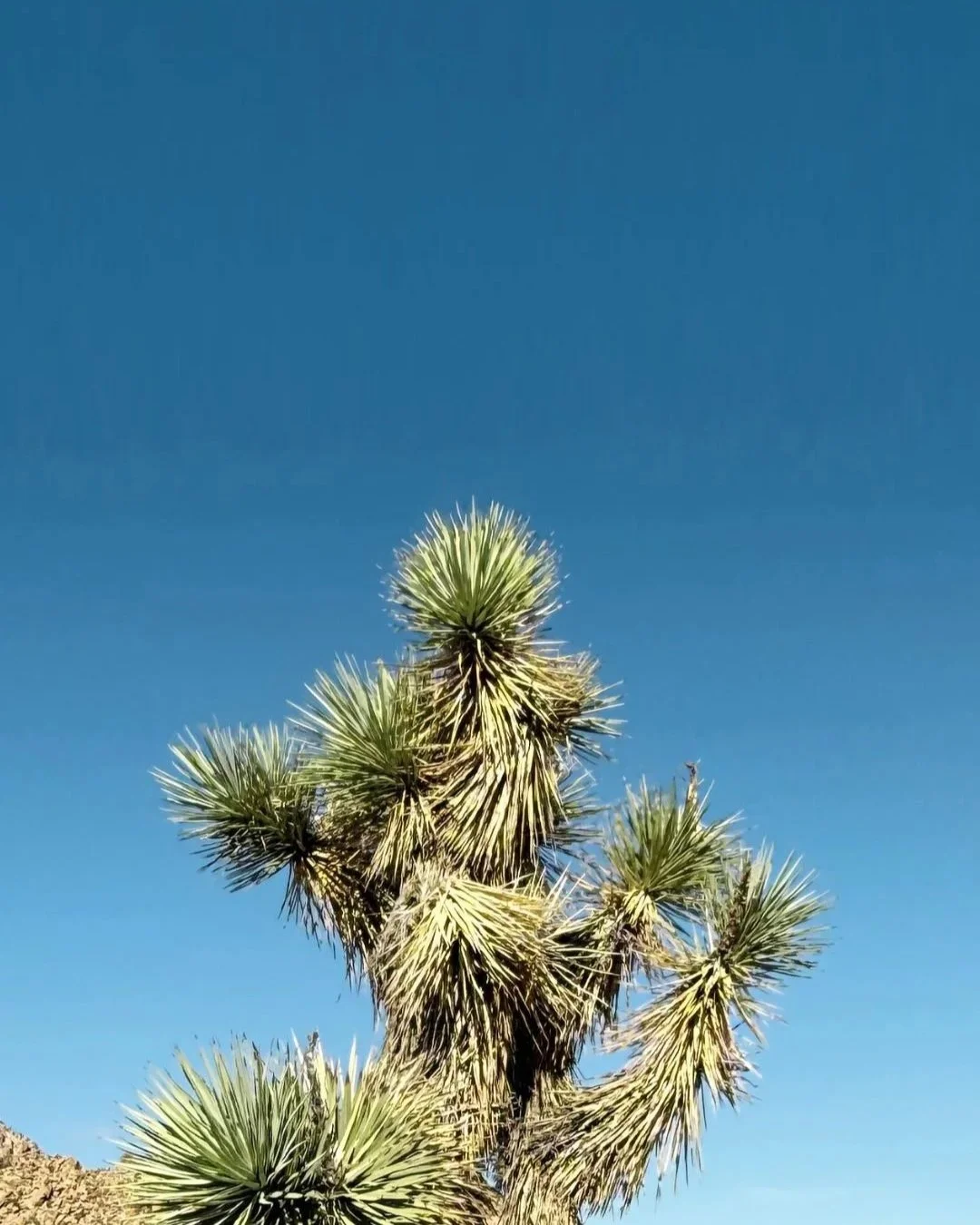
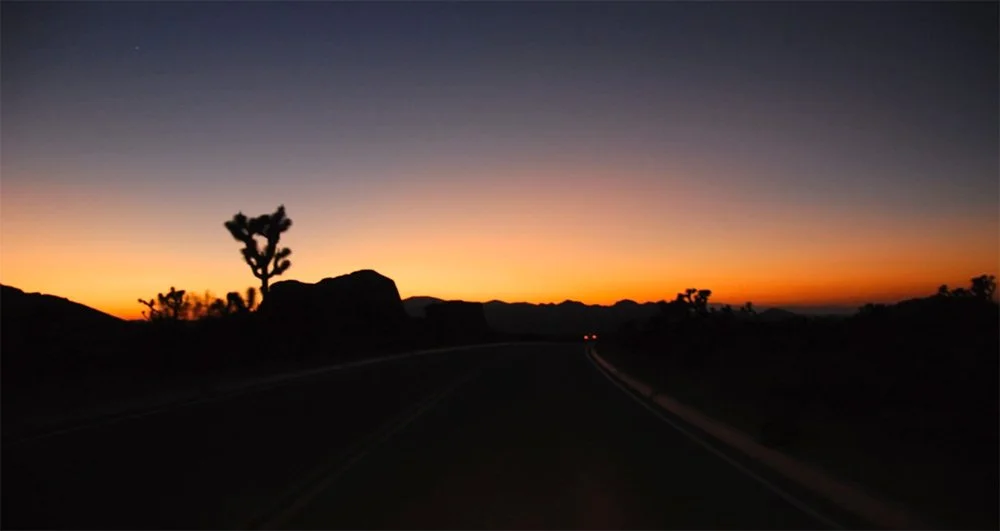
Stepping into Joshua Tree National Park - instantly you notice beauty all around you.
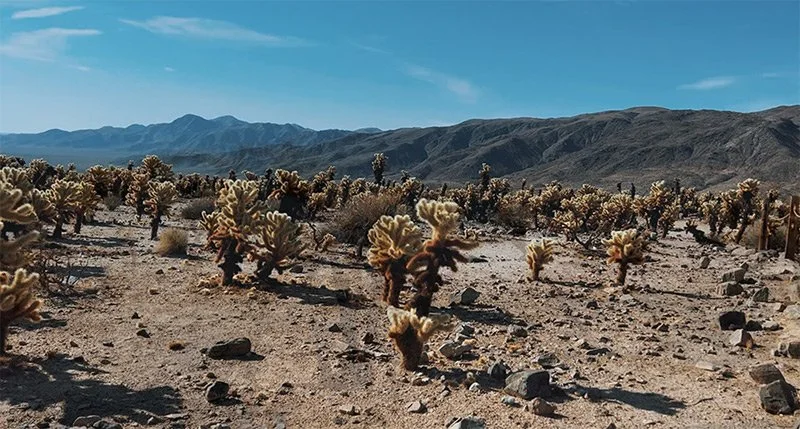
Why visit Joshua Tree?
Joshua Tree National Park
There's a reason millions of people visit Joshua Tree National Park each year - it’s unlike anywhere else in the world. Ancient rock formations, iconic Joshua trees, dramatic desert landscapes, and some of the darkest night skies in Southern California create a place that feels both wild and timeless.
Wildlife encounters
Expansive views
The best hikes
Gigantic boulders and rock formations to admire or climb - world-class rock climbing
Glorious sunrises and sunsets
Stargazing - Joshua Tree National Park is officially designated a "dark sky" zone
Otherworldly scenes featuring some of the most beautiful cacti in the world
The healing benefits of spending time in nature
Joshua Tree is one of the most inspiring places to visit in California.
Joshua Tree, Twentynine Palms, Pioneertown, Yucca Valley, and neighboring towns are full of culture and magic.
Joshua Tree Magazine is the ultimate Joshua Tree guide - where to stay, where to eat, boutique hotels, travel tips, and more. Discover world-famous iconic locations, lesser-known hidden gems, and exciting new pop-ups just hitting the scene.
It's all from a local perspective, built on years of in-real-life exploring, researching, and networking. We share local culture and insider recommendations that travel bloggers just passing through often miss.
Even locals and frequent visitors - many coming from Los Angeles and San Diego - will find fresh inspiration here.
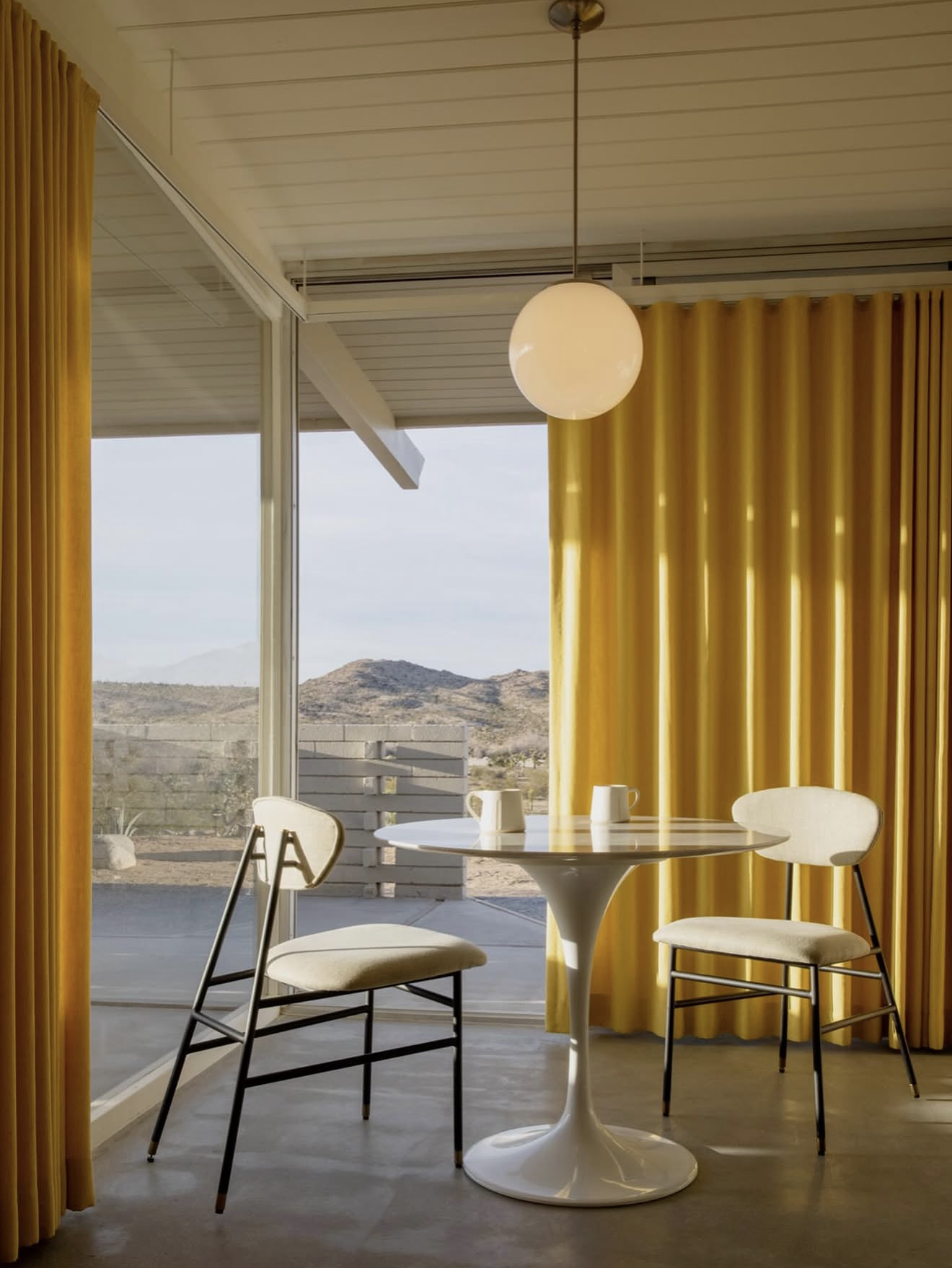
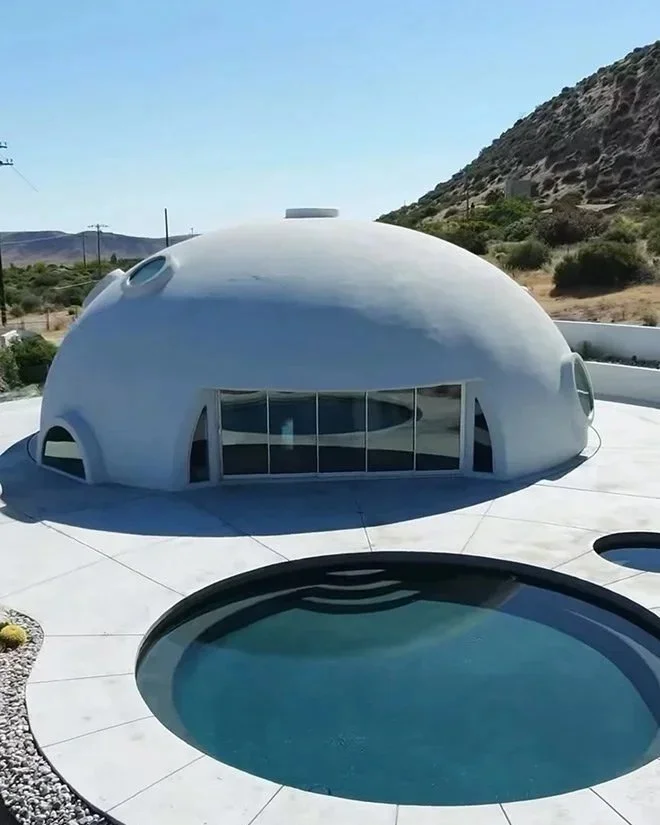
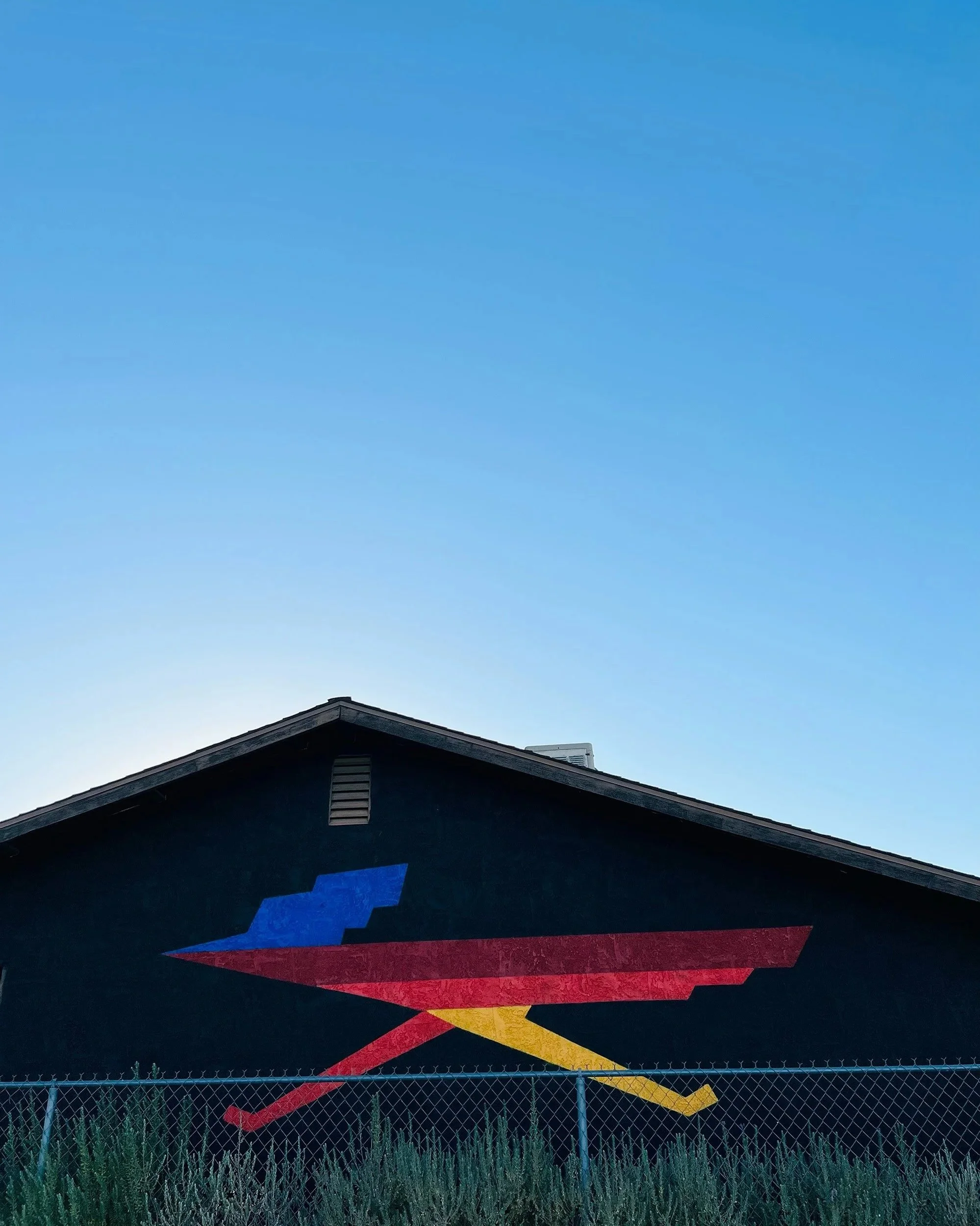
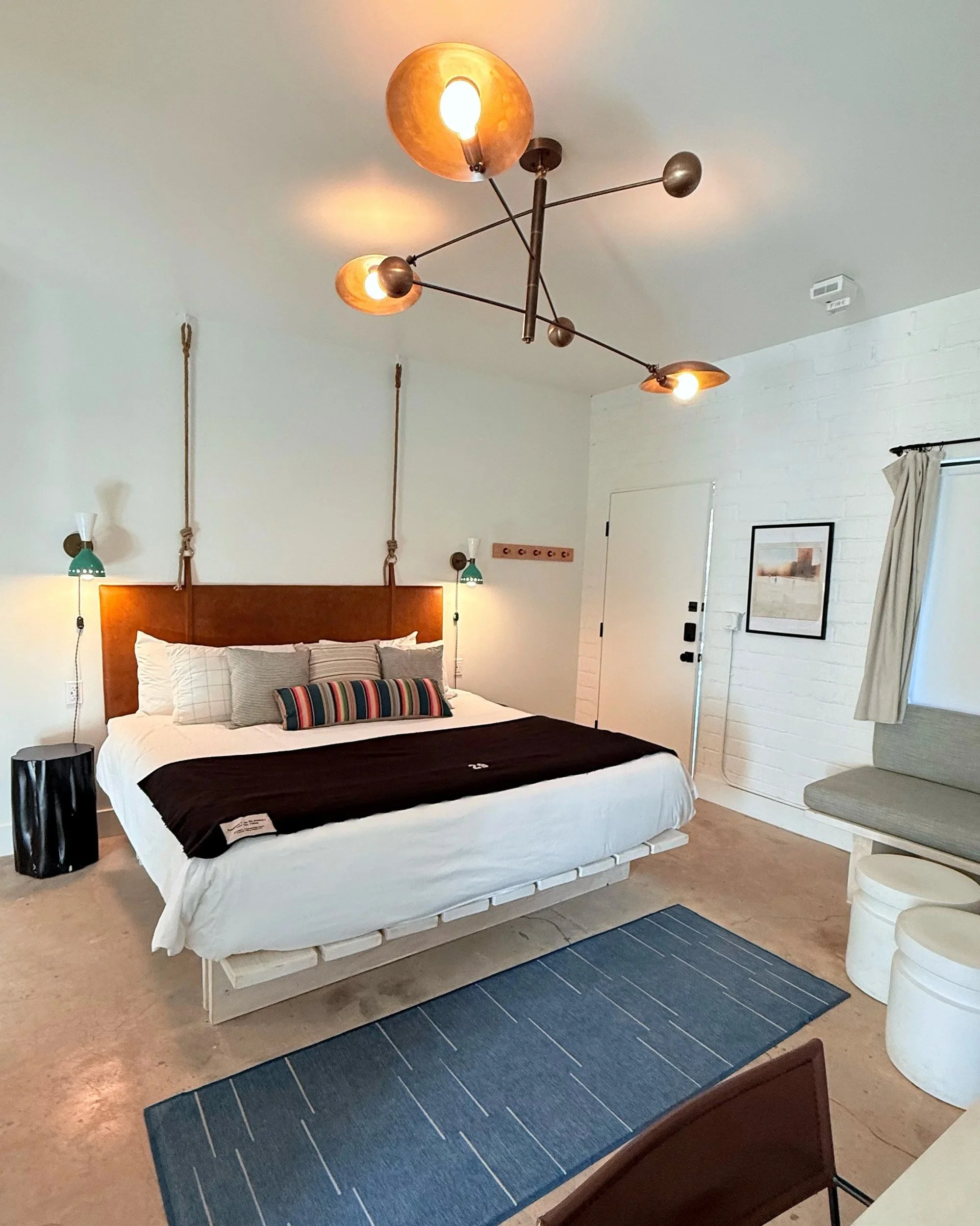
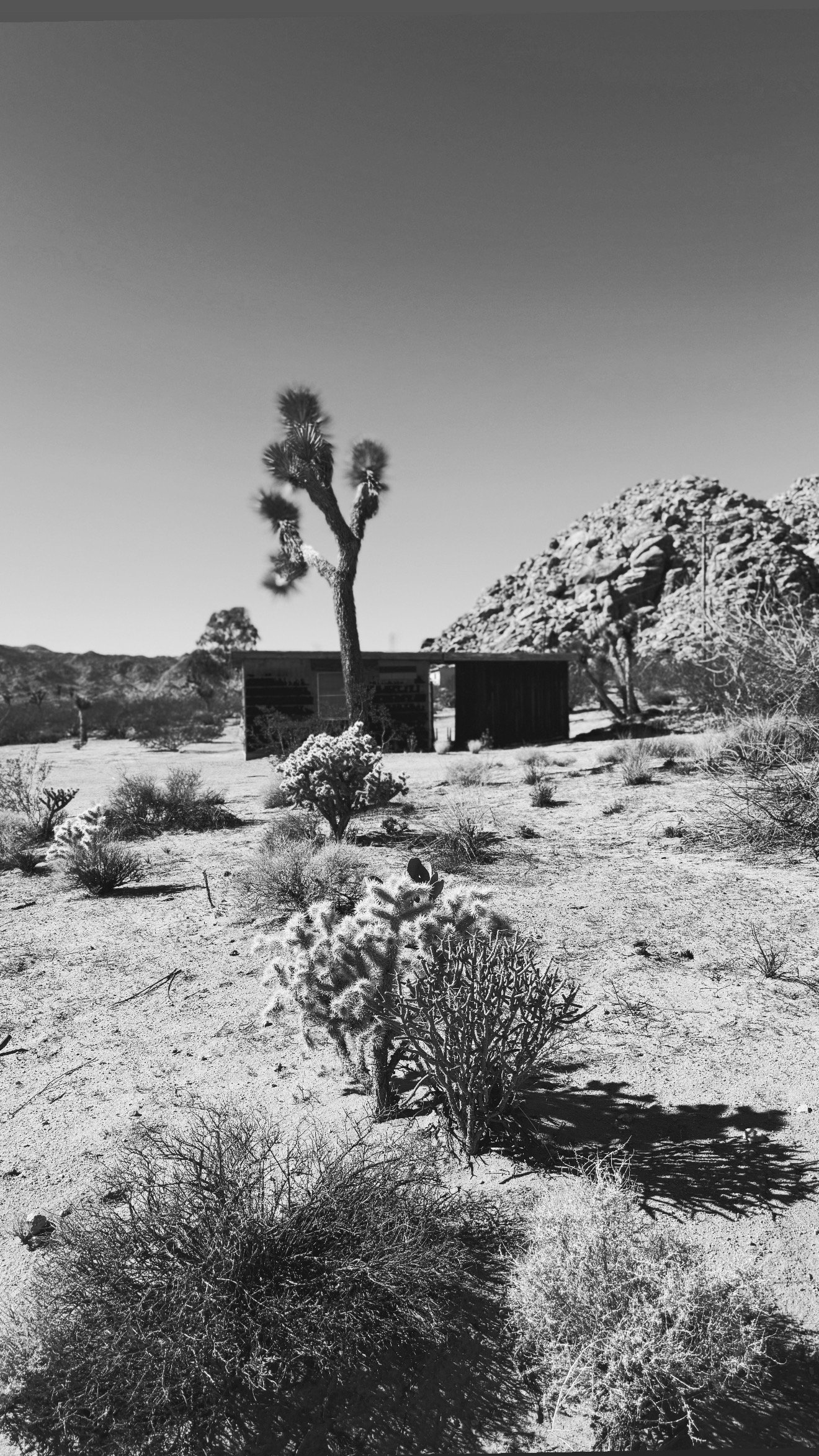
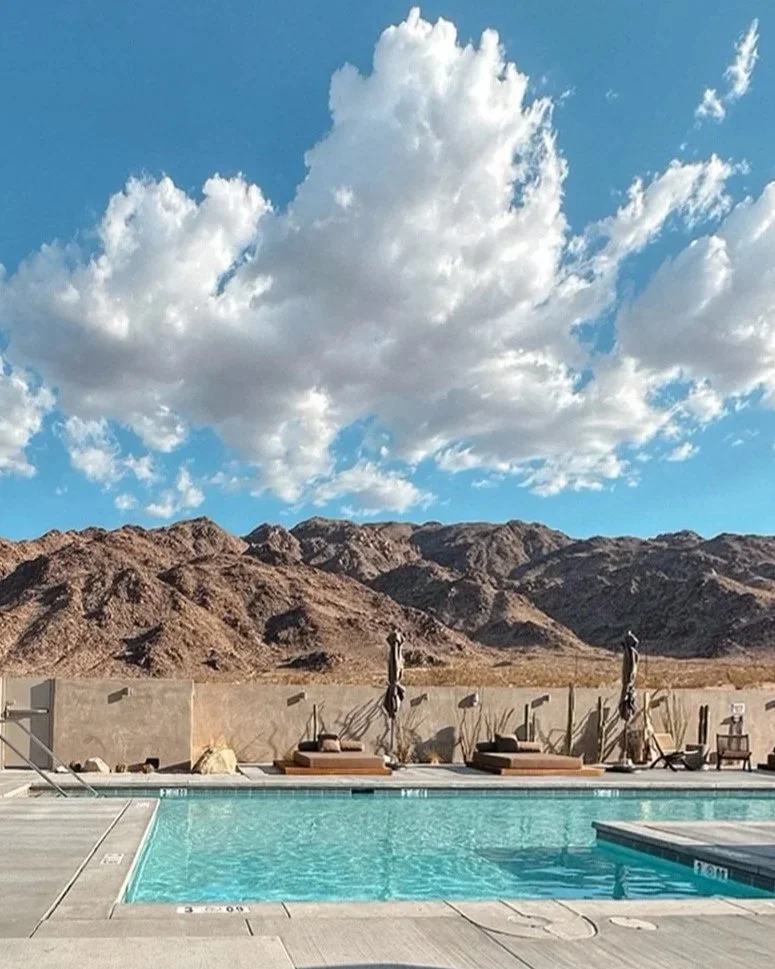
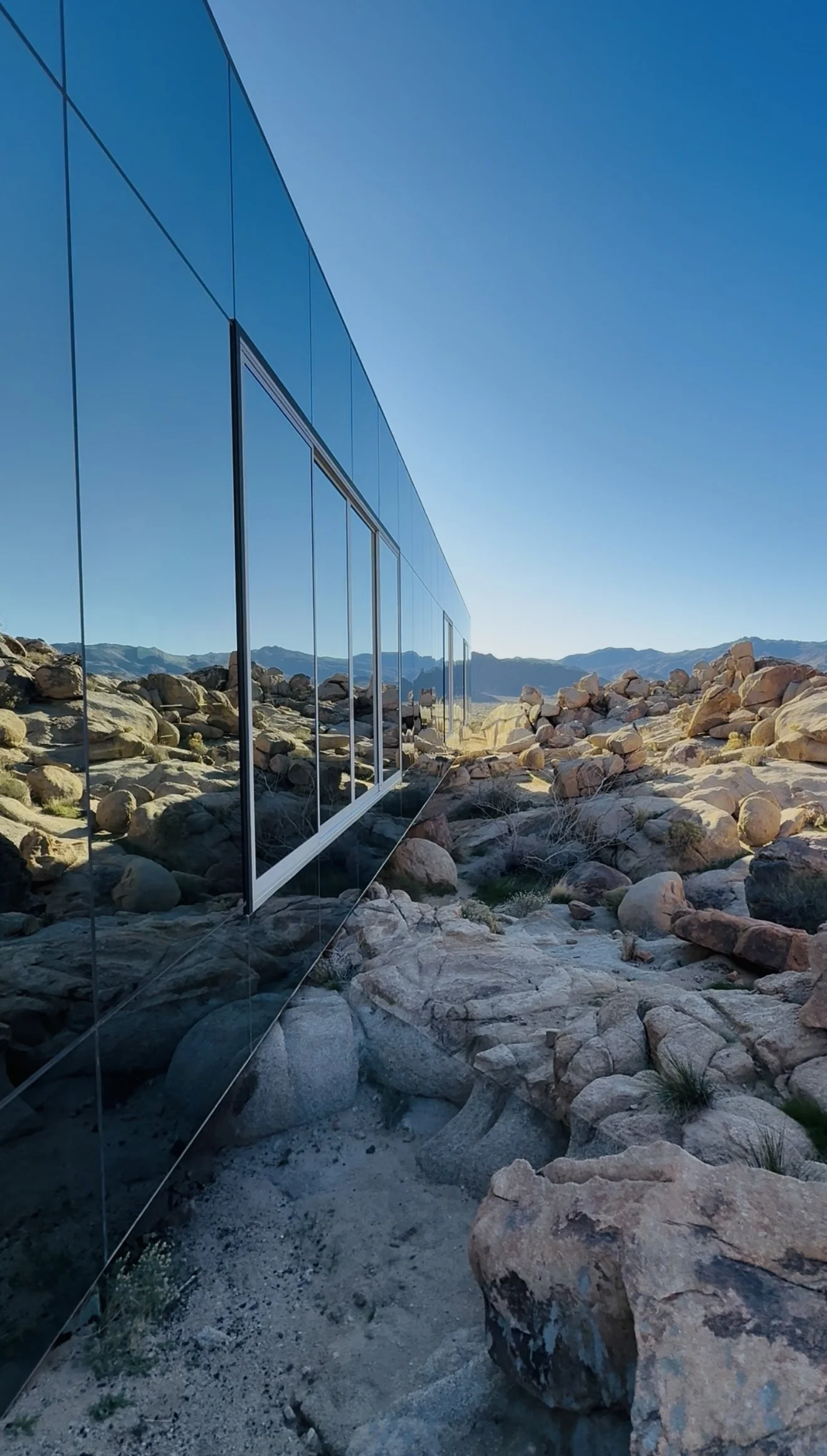
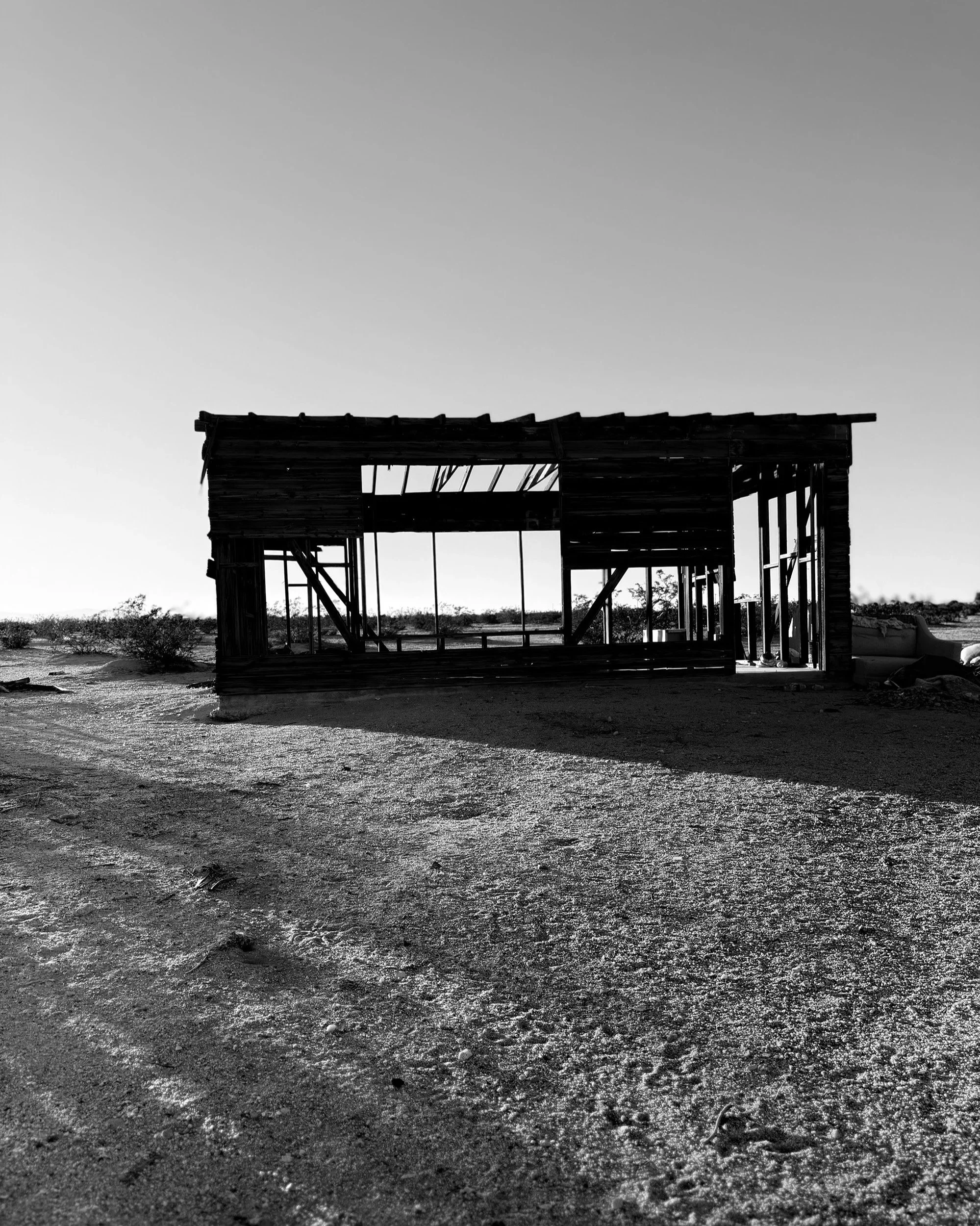
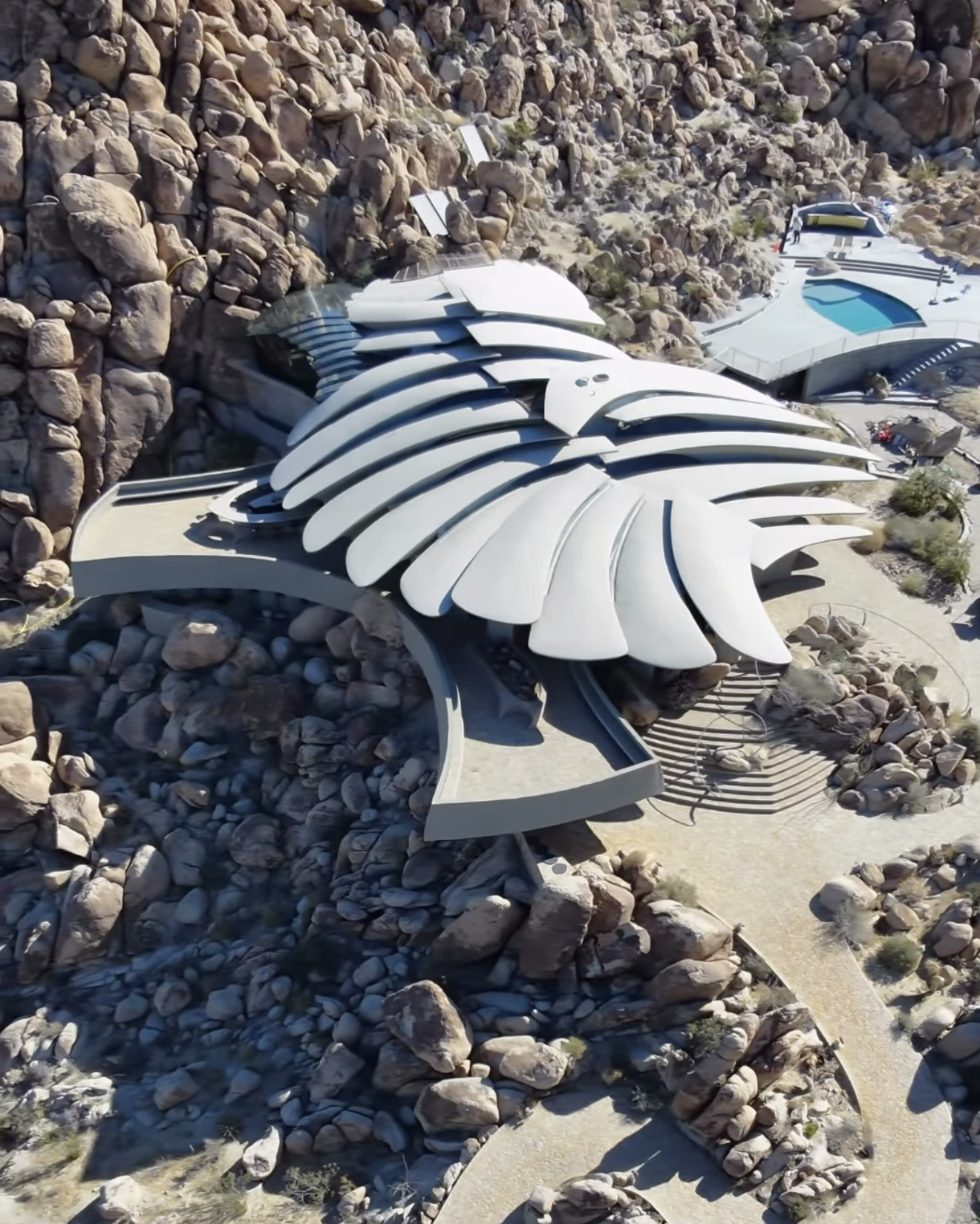
Discover artist studios, galleries, boutique hotels, and creative spaces that reflect the region's enduring appeal to architects, designers, and artists alike. The design influence of nearby Palm Springs extends into the high desert, where mid-century architecture has found a striking new expression. Iconic homes, modern retreats, and bold contemporary architecture sit among rugged boulder formations and endless desert skies - creating a landscape where design feels both intentional and deeply connected to nature.
Architecture and design that inspires and transports - from mid-century to historic Western to otherworldly dome structures. Boutique hotels, each with their own unique design aesthetic, all share the feeling of a style that belongs in the desert - proof that creativity in the desert knows no bounds. This area is also known for its abundance of Airbnbs and vacation rentals - from architectural masterpieces, to mid-century gems, to themed stays beyond your wildest imagination.
Frequently Asked Questions
-
The best time to visit Joshua Tree is usually spring (March to May) and fall (October to November), when temperatures are milder and best for hiking and exploring. Summer is extremely hot, while winter is cooler and can be pleasant but chilly at night. The coldest months in the high desert are usually December and January, and the hottest months are typically July and August.
-
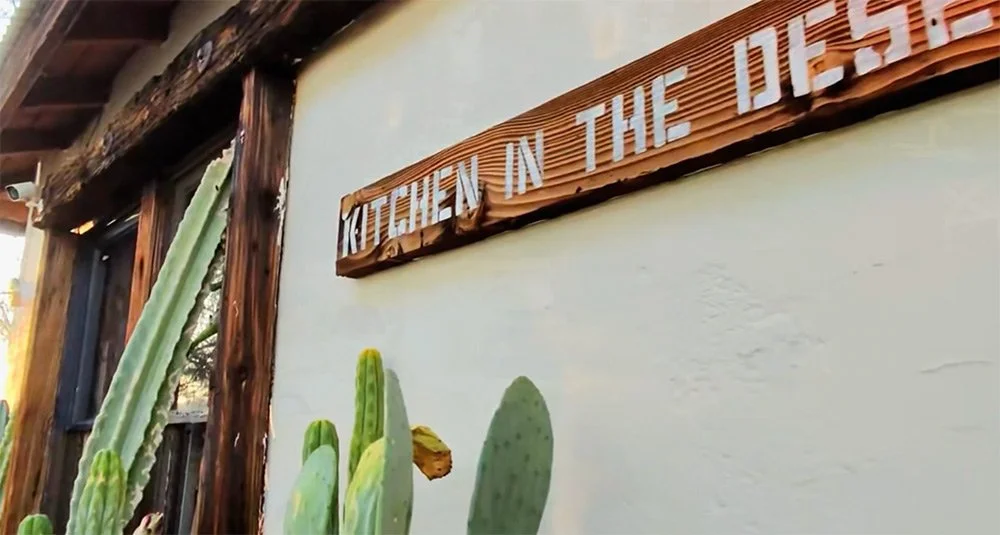
Kitchen in the Desert in 29 Palms. The outdoor seating feels like you’re in a giant cactus garden (limited indoor seating also available). Caribbean inspired cuisine. One-of-a-kind desert vibes.
The Copper Room in Yucca Valley. Retro chic, American cuisine with a circular bar overlooking the runway of a small planes airport. Live music some nights.
La Copine in Flamingo Heights / Yucca Valley. Elevated dishes chef created. Limited hours and hours are different in the summer vs winter
The Dez 2 locations both in downtown Joshua Tree — for coffee, breakfast, lunch or take-out / prepared meals. They are excellent for catering and have signature charcuterie boards. Gourmet mini market areas feature packaged goodies from stuffed dates to fancy sparkling drinks to chips of all kinds. And there are plenty of exquisite desserts — both in the case and on the shelves.
Nice Dream in Yucca Valley newly opened - Beautifully plated and garnished fusion Japanese-inspired food. It’s also a café with pastries and decadent desserts. Limited hours— weekends only
-
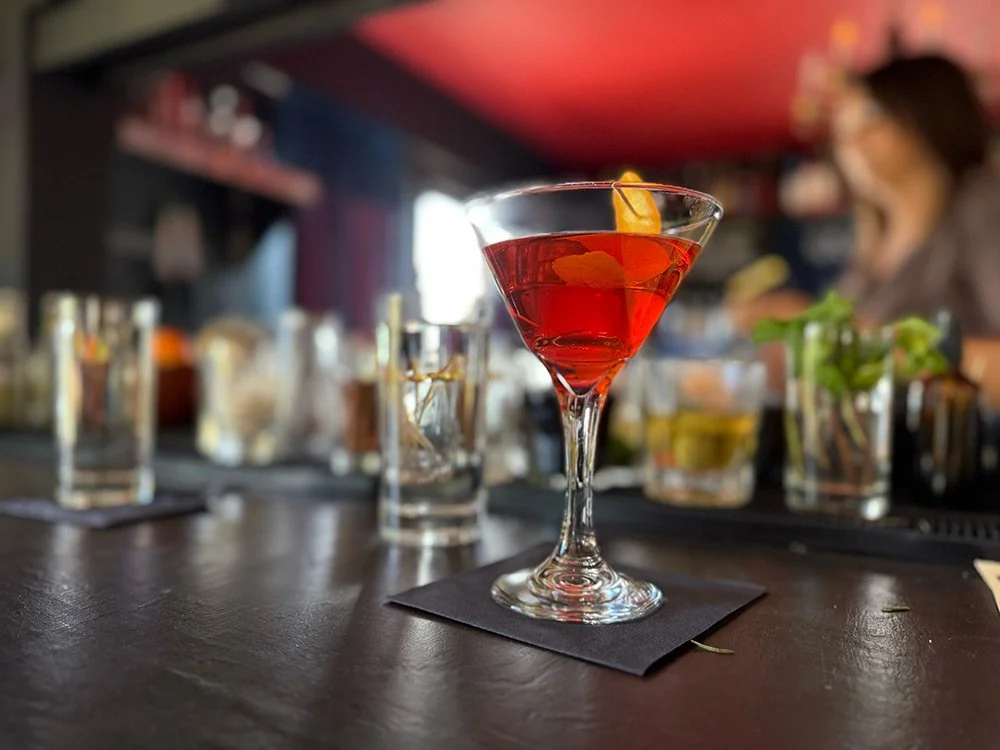
Más o Menos Cafe and bar in Joshua Tree. Serves coffee drinks and creative cocktails. Fun events, live music, quirky game nights, djs, dancing, food pop-ups.
Matson Ambroise cafe and art gallery. - Newly opened in Yucca Valley —Open Thursday - Sunday
Nice Dream in Yucca Valley. Newly opened. Coffee drinks featuring interesting creative flavor blends and beautiful pastries. Weekends only.
The Dez has coffee drinks, amazing prepared meals and delicious to-go food. It’s also a gourmet mini market full of fun snacks.
-
Reset Hotel — in 29 Palms near the North entrance to JTNP — 65 rooms — minimal modern design
Ramsey 29 Boutique Hotel — in 29 Palms near the North entrance to JTNP — eclectic modern take on a vintage vibe, 8 rooms total — mid century/desert inspired interior design. The grounds feel like cactus heaven and the cacti lined paths lead you to the most amazing desert restaurant , Kitchen in the Desert.
Hotel Wren Boutique Hotel in 29 Palms near the North entrance to JTNP — beautifully restored 1940s motor lodge - tastefully updated with 12 rooms total
-
Joshua Tree National Park has 2 main entrances: The West Entrance in Joshua Tree which can have long lines during busy times of year. The North Entrance in Twentynine Palms which is a lot less busy and is great for accessing Arch Rock, Skull Rock and The Cholla Cactus Garden.
There are 2 lesser known accesses to the park - read about them and see photos here.
-
March
December
April
November
February
Note: October visitor count is on the rise and might be a runner-up for busy month as well.
-
Wildflower season is one of the most overlooked things to plan your trip around. Blooms can start as early as February at lower elevations, then spread to higher elevations as temperatures rise through March and into April, with the higher desert areas sometimes still blooming into June. In years with especially good winter rain, this can turn into a superbloom — a rare, exceptionally dense bloom that draws visitors from all over the world.
And yes, it's worth planning your trip around. The desert's usual muted, earth-toned palette suddenly comes alive with surprise sprinklings of color. Walking through a field of wildflowers in the desert has an uplifting effect that has to be experienced in person.
Wildflowers aren’t the only thing blooming in springtime in the desert. Cactus of all shapes you'd never expect to bloom suddenly burst with almost fluorescent flowers — magenta, bright yellow, sometimes even neon green. It almost feels like you’ve discovered a treasure when you see one of these glorious blooms on a hike. Their vibrance shows off the radiance and resilience of a desert that can sometimes feel barren and desolate.
-
Here are some of the special animal encounters you might have while exploring Joshua Tree National Park.
Starting with the most common sightings — you'll probably see antelope squirrels busily scurrying around or a lizard might be perched on a rock showing off its camouflaging technique. Jackrabbits are commonly seen darting by or making time stand still as they pause completely still to blend in. Cottontails bunnies are unbelievably cute here. Quail are pretty common, and you might see them strutting by — sometimes herding their teeny tiny, most precious babies. Roadrunners, which you may or may not see, are pretty abundant here — they carry a confidence about them and can be quite chatty once they get to know you. You'll also see plenty of other birds, including cactus wrens, ravens, red-tailed hawks, great horned owls, and — if you're lucky — a golden eagle overhead.
A little less common but still likely: coyotes— or you may just hear their calls — yips and howls that build into a chorus — mostly at dawn and dusk.
Rarer, and always a highlight when it happens: the desert tortoise, a protected species that spends most of its life underground and mostly surfaces in spring and fall or after rain. Although they can be easily approached it is important to leave them alone and do not touch them!
Desert bighorn sheep navigating the steep rocky slopes are not often seen by visitors but they are one of the most exciting to see if you get extremely lucky.
Rattlesnakes spend roughly November through February in a dormant state until the weather warms in spring — most likely to be seen (or heard) between April and October, and sometimes right after a rain.
Rarest of all: kit foxes and bobcats, both mostly nocturnal and easy to miss even when they're around.
A tip either way: your best odds for any of these are early morning or right before sunset, when the desert's residents are most active and the heat hasn't driven everyone into the shade yet.
Click here to see a short video about recommended hikes near Joshua Tree National Park that feature beautiful desert landscapes but without the crowds and lines.
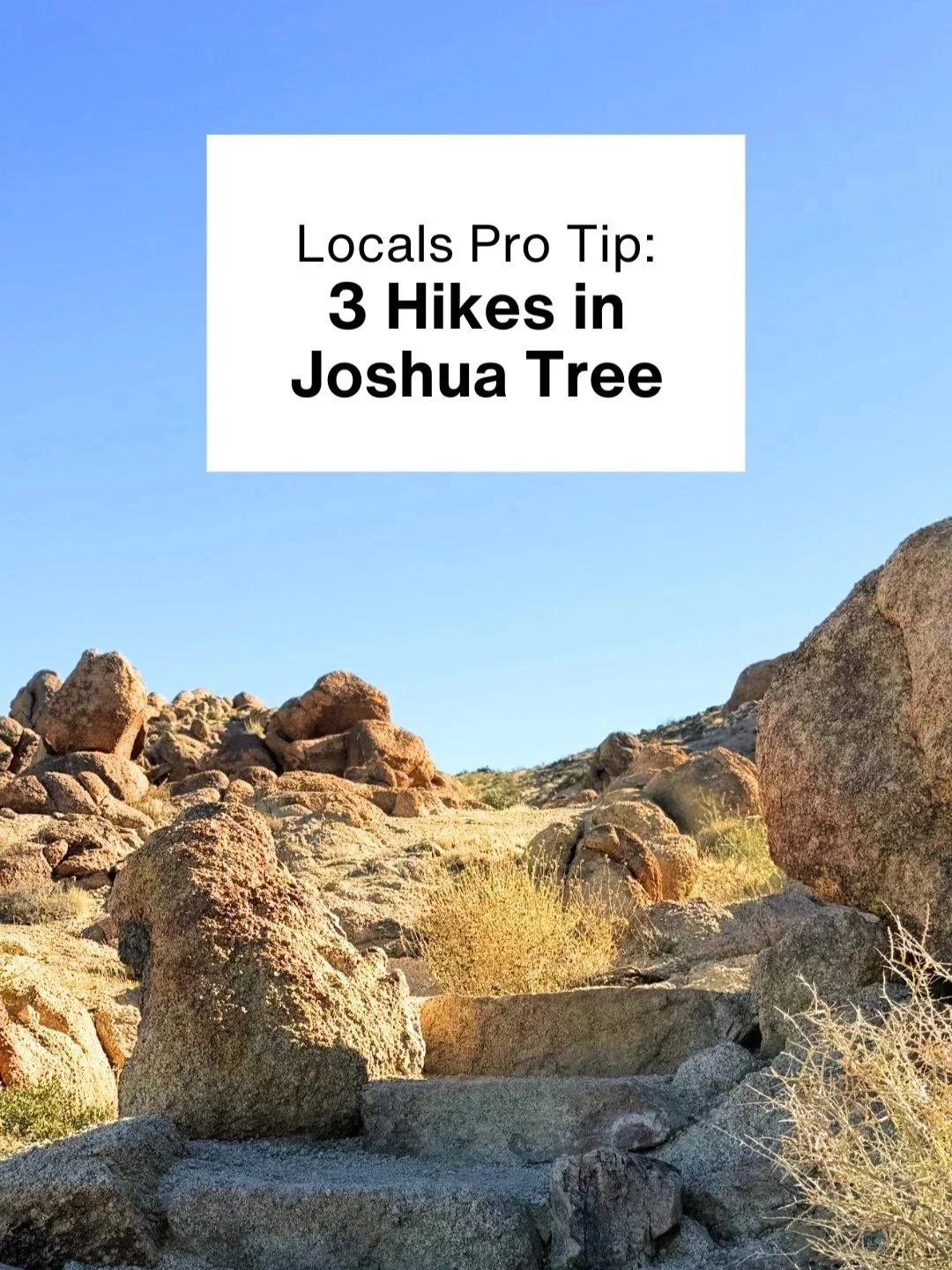
See more videos about people, places and events that make Joshua Tree special here.
From the blog:
Stay tuned for more exciting Joshua Tree inspiration coming soon!